COP31 Talks Run into Overtime as Countries Struggle to Agree Final Climate Text
The United Nations climate summit in Antalya has moved into an extra day of negotiations after governments failed to agree a final political text by its scheduled close on Friday, 20 November. Delegates returned on Saturday, 21 November, with key decisions still open and the next draft of the summit's main political document awaited.
The official UNFCCC programme listed COP31 as running from 9 to 20 November. But the talks did not finish on schedule. Türkiye's state-run Anadolu Agency, in a report published by Hürriyet Daily News at 10:58 local time on Saturday, said COP31 President Murat Kurum had adjourned the evening plenary on Friday and that negotiating teams had worked overnight on a third draft. The Guardian's live coverage reported that the new texts expected at 9am local time had not appeared by the time that deadline passed.
The delay is more than a scheduling problem. The final package is meant to show how governments intend to move from broad climate promises towards action on emissions, adaptation and finance. Until the texts are agreed, the summit cannot present a settled political outcome.
Why the negotiations have overrun
The outstanding issues include climate finance, emissions reductions, adaptation and a just transition for workers and communities affected by changes in energy systems. Countries also remain divided over how directly the final decision should address fossil fuels.
The second draft of the main political text removed an explicit reference to transitioning away from fossil fuels, according to reporting from the Guardian. That change has become one of the most visible points of disagreement, but it is not the only unresolved issue. Developing countries are also seeking clearer assurances that adaptation and recovery support will be accessible and adequate.
A new draft is not yet an agreement
Negotiators are working on revised wording, but a document circulated by the presidency would still be a proposal. Governments must examine the language and decide whether they can accept it. The Guardian reported that delegates were waiting for a third version after the expected publication time passed without a new text.
This is why statements about a possible compromise need careful wording. A phrase appearing in a draft does not become an international commitment until the parties adopt the final decision.
What the delay means for Europe
European governments are closely involved in the negotiations, and the final outcome could influence climate diplomacy, investment expectations and national planning. Businesses and energy companies also watch COP decisions for signals about the direction of policy on electricity, industrial emissions and climate finance.
The extra day gives negotiators another chance to reach a consensus, but it does not guarantee a breakthrough. The immediate test is whether the presidency can produce revised texts that address the outstanding concerns without losing support from countries with very different economic and energy priorities.
Until an agreed decision is formally adopted, COP31 remains in overtime and its most important outcome is still uncertain.
Sources: The Guardian: COP31 live coverage, 21 November 2026; Hürriyet Daily News: COP31 talks extended as countries seek final deal; UNFCCC: Official COP31 conference information and scheduled dates; Associated Press: Climate talks enter overtime.
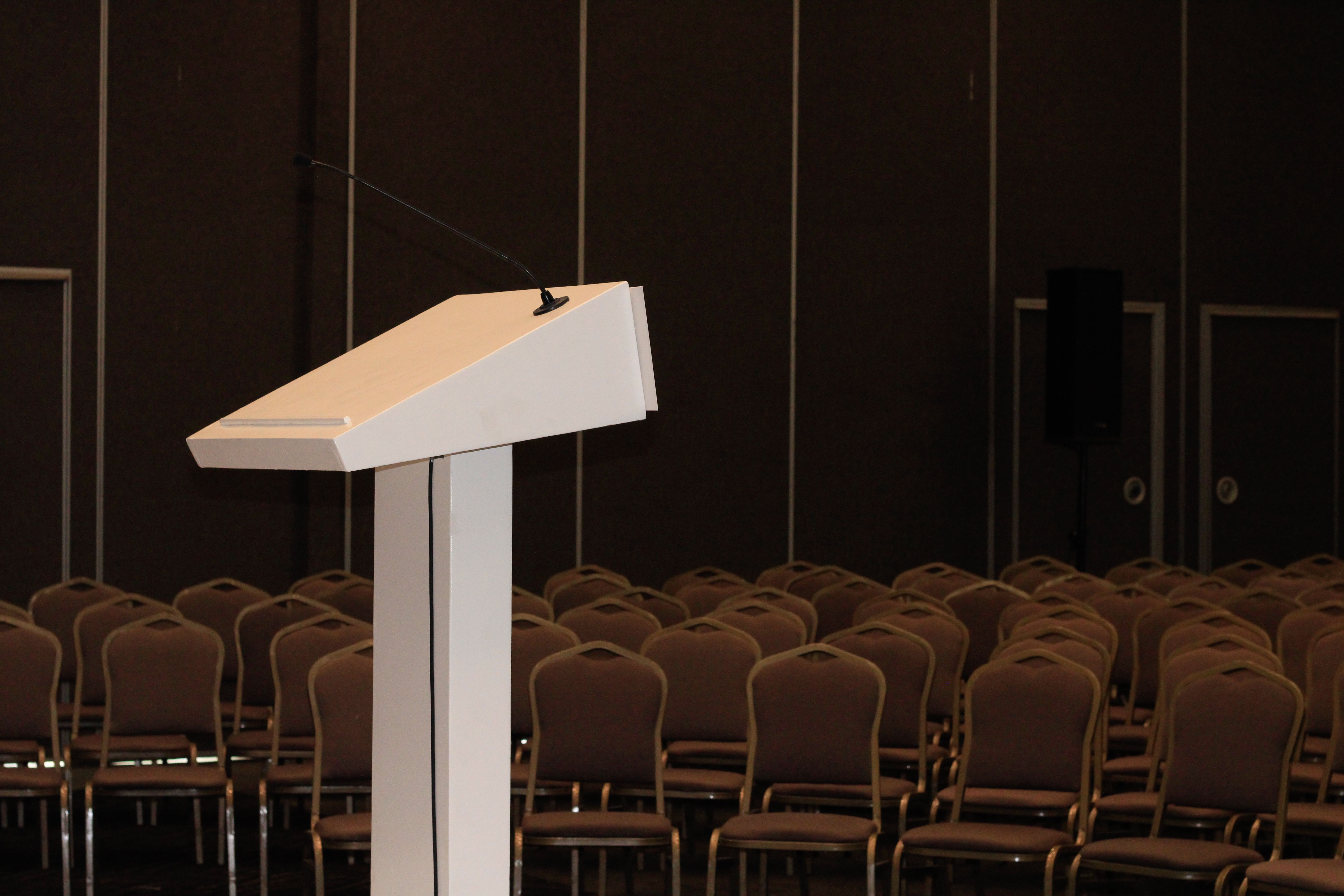
Image credit: Nacho Gomez / Pexels. Illustrative stock photograph, not the COP31 venue.


Comments
Post a Comment